La oferta de entretenimiento digital en España consigue una nueva dimensión cuando dos potencias como NetEnt y Booming Games comparten escaparate winshark.com.es. En Winshark, los aficionados encuentran una biblioteca que fusiona la sofisticación técnica del norte de Europa con la chispa creativa más actual. Cada partida se convierte en un viaje visual donde las mecánicas innovadoras, los botes progresivos y la fluidez multiplataforma convierten una simple sesión de juego en una experiencia vibrante y absolutamente inmersiva.
La combinación de dos colosos del software
La convivencia de NetEnt y Booming Games dentro del mismo lobby representa una apuesta estratégica que ayuda directamente al usuario español. Por un lado, el conocimiento escandinavo, curtido durante décadas en desarrollar títulos que ya son leyenda. Por otro, un estudio joven que irrumpe con propuestas frescas y ritmos trepidantes. Winshark fusiona ambos universos sin fisuras, proporcionando desde las tragamonedas más reconocidas de la industria hasta lanzamientos que imponen tendencia por su agilidad y su única identidad visual.
Experiencia en dispositivos móviles y desempeño optimizado
España es uno de los mercados europeos con mayor penetración de juego móvil, y Winshark se adapta a esa demanda con una plataforma totalmente adaptada. Las máquinas tragaperras de NetEnt como las de Booming Games operan con tecnología HTML5, lo que asegura transiciones fluidas, botones táctiles precisos y tiempos de carga casi inmediatos en redes 4G y 5G. El ocio no se interrumpe al pasar del salón al metro, y las partidas conservan toda su nitidez y sonido en pantallas de cualquier tamaño.
Joyas ocultas y mejores triunfos de Booming Games
Fuera de los titulares, el portfolio de Booming Games oculta decenas de máquinas que consiguen adeptos por su creatividad y su abundante retorno. En Winshark, el jugador interesado puede dedicar horas a explorar esta selección y siempre encontrará una sorpresa agradable. La visión del estudio es nítida: partidas dinámicas, riesgos razonables y un flujo constante de pequeñas victorias que mantienen el saldo mientras los grandes golpes se forjan. Es una manera de jugar muy próxima al talante del público español.
Gold Gold Gold resume a la perfección el alma de Booming Games: una fiebre del oro moderna con rodillos que ocultan multiplicadores ascendentes y un mini juego destacado realmente rentable. Burning Classics renueva la fruta clásica con un aspecto incandescente y una rueda de fortuna que puede multiplicar la apuesta hasta límites inesperados, manteniendo la esencia de las máquinas de antaño. TNT Bonanza es dinamita genuina: símbolos estallantes que despejan el tablero y una ronda de bonus donde cada detonación desbloquea nuevos carretes y multiplicadores. Buffalo Hold and Win lidera las listas de popularidad gracias a su funcionamiento de fijación de símbolos de monedas, que sube la tensión hasta el último momento. Cada uno de estos títulos está optimizado para relucir tanto en ordenador como en smartphones, y en Winshark inician con una fluidez impecable.
Razones para seleccionar las tragaperras de estos proveedores en Winshark
Winshark no se restringe a acumular títulos, sino que los expone con juicio, velocidad de carga impecable y un entorno de juego seguro conforme a la normativa española. La combinación NetEnt-Booming Games proporciona un equilibrio perfecto entre tradición y vanguardia, posibilitando al cliente alternar entre sesiones pausadas de profundidad narrativa y ráfagas de pura acción. Además, la plataforma certifica ratios de retorno auditados, depósitos ágiles y una navegación intuitiva que pone el foco en el disfrute inmediato.
Ofertas y incentivos principales para apostantes en España
Winshilk potencia la experiencia de estos desarrolladores con campañas creadas particularmente para el jugador español. Las tiradas gratuitas de registro son habituales sobre títulos estrella de NetEnt, por otro lado los torneos periódicos y las misiones cada día abarcan partes del catálogo de Booming Games, promoviendo la investigación. Además, el programa de fidelidad recompensa cada giro con unidades convertibles, facilitando que la excitación de encontrar nuevos estrenos vaya unida de beneficios concretas. Las términos explícitas y sin letra pequeña son la pauta, reflejando el compromiso del operador con la honestidad.
Booming Games: innovación y energía en cada giro
Booming Games infunde energía al portfolio de Winshark con un planteamiento directo, intenso y increíblemente enganchador. Sus tragamonedas desprenden compás, tonos vivos y una sencillez de uso que enlaza de inmediato con el cliente de móvil. Sin renunciar a la complejidad técnica, la empresa apuesta por sesiones rápidas, eventos casuales y una munificencia palpable en las funciones especiales. Cada juego es un compendio de fuerza pensado para quienes persiguen emociones fuertes desde el inicial clic, sin prolongadas demoras ni complicaciones innecesarias.
Sistemas exclusivas y alto rendimiento
El estudio ha mejorado instrumentos como los rodillos en las dos sentidos, los figuras que se permutan de posición y los impulsores que se activan al al azar durante cualquier giro fallido. Estas mecanismos singulares mantienen la presión constantemente subida y incrementan las ocasiones de galardón. En Winshark, las slots de Booming Games resaltan justamente por ese aspecto imprevisto que vuelve una adversa secuencia en una triunfo sorpresiva, cautivando al cliente hispano con una montaña rusa de emociones que contados desarrolladores alcanzan replicar.
Estilo que no es inadvertido
Booming Games apuesta por un gráfico que fusiona lo mejor del cómic moderno con movimientos de estilo cinematográfico. Sus protagonistas, a frecuentemente animales con actitud o criaturas legendarias, desbordan carisma y se insertan a la perfección en panoramas repletos de detalles. La interfaz clara y los controles precisamente situados evidencian una dedicación por la manejabilidad que el público español valora, sobre todo cuando cambia entre aparatos. En conclusión, el sección gráfico de estas tragaperras es un toque de aire fresco dentro del universo del casino online.
El legado innovador de NetEnt
NetEnt no se reduce a lanzar títulos; define épocas. Su catálogo es sinónimo de calidad cinematográfica, bandas sonoras envolventes y matemáticas de juego perfectamente calibradas que preservan la emoción en cada tirada. Los jugadores españoles reconocen de inmediato el sello de la compañía sueca: gráficos nítidos, animaciones fluidas y un compromiso inquebrantable con el juego responsable. En Winshark, ese legado se aprecia completo, con acceso directo a los servidores oficiales del proveedor para garantizar la máxima transparencia.
Categorías renovadas
Desde la fantasía épica hasta el terror gótico, NetEnt trata cada temática con un nivel de detalle que convierte sus slots en pequeñas superproducciones. La empresa sueca no se conforma con repetir fórmulas; reinventa los clásicos de tres rodillos, agrega profundidad a las aventuras de cinco tambores y investiga narrativas que atrapan durante decenas de sesiones. En Winshark, la variedad temática abarca todos los gustos, permitiendo alternar entre la serenidad de un jardín oriental y la adrenalina de una persecución policial en cuestión de segundos.
Funciones estrella que cambiaron las reglas
Mecánicas como los símbolos en expansión, las rondas de giros gratuitos con multiplicadores crecientes y el icónico sistema Avalanche surgieron en los laboratorios de NetEnt. Cada funcionalidad agrega capas de estrategia y expectación al desarrollo de la partida, apartándose del simple giro mecánico. En Winshark, los usuarios disfrutan de estas innovaciones en su máxima expresión, con rondas de bonificación que se desencadenan con frecuencia y premios que pueden dispararse en cualquier momento gracias a los comodines apilados y los scatter sorpresivos.
Juegos clave de NetEnt en el catálogo
La sección de NetEnt en Winshark actúa como una exposición de museo disponible las veinticuatro horas. Allí brillan obras maestras que han definido generaciones de jugadores y que continúan llenando las sesiones de giros épicos. Estas son solo algunas de las tragamonedas que ningún aficionado español debería perderse, elegidas tanto por su popularidad global como por su excelente rendimiento en los servidores del operador. Cada nombre evoca rondas de bonificación legendarias y una calidad audiovisual que sigue imbatible.
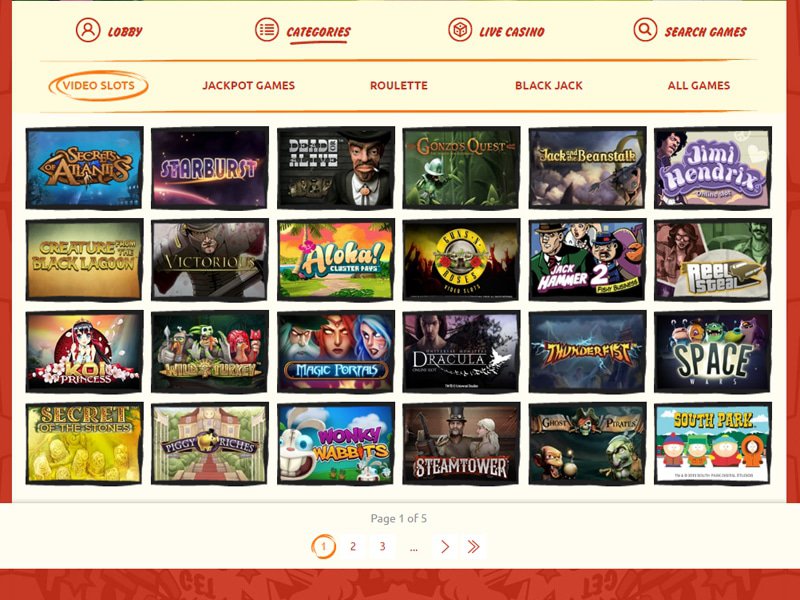
Starburst permanece reinando como la tragaperras de culto por excelencia. Su sencillez aparente encierra expansiones de comodín que iluminan la parrilla con premios en ambas direcciones. La banda sonora galáctica y los destellos de neón generan una atmósfera hipnótica que incita a sesiones largas. Gonzo’s Quest, por su parte, lleva a la selva peruana con el carismático conquistador animado y un sistema de bloques que caen para multiplicar ganancias consecutivas, una mecánica que hoy copian decenas de estudios. Dead or Alive 2 sube la adrenalina con su ambientación del salvaje oeste y sus tres rondas de tiradas gratuitas de altísima volatilidad, perfectas para los cazadores de grandes premios. Jack and the Beanstalk cierra la selección obligatoria, desplegando un cuento interactivo donde las llaves, las monedas de oro y el walking wild vuelven cada fase en una aventura diferente.
Cómo iniciar a jugar en Winshark desde España
El ingreso es inmediato y transparente. Basta con completar un registro rápido, confirmar la identidad según la normativa de juego español y hacer un primer depósito mediante los métodos de pago habituales en el país, como tarjetas bancarias, monederos electrónicos y transferencias inmediatas. En menos de cinco minutos, el lobby de slots se presenta con los filtros NetEnt y Booming Games preparados para ser descubiertos. La plataforma almacena las preferencias del jugador, recomendando títulos afines y marcando los últimos estrenos para que nadie se pierda de vista ninguna novedad de estos dos titanes del software.